

PolicyCheck - Create with AI
Designing a faster, smoother AI-assisted quoting experience in a complex insurtech system
Developers: Dhanisha Harshad, Tommy Goodman;
Data Analyst: Vishakha Patel;
Project Manager: Simon Archer;
Founders and other stakeholders: John Peters, Andrew Clouston and more
5 weeks
1. Background
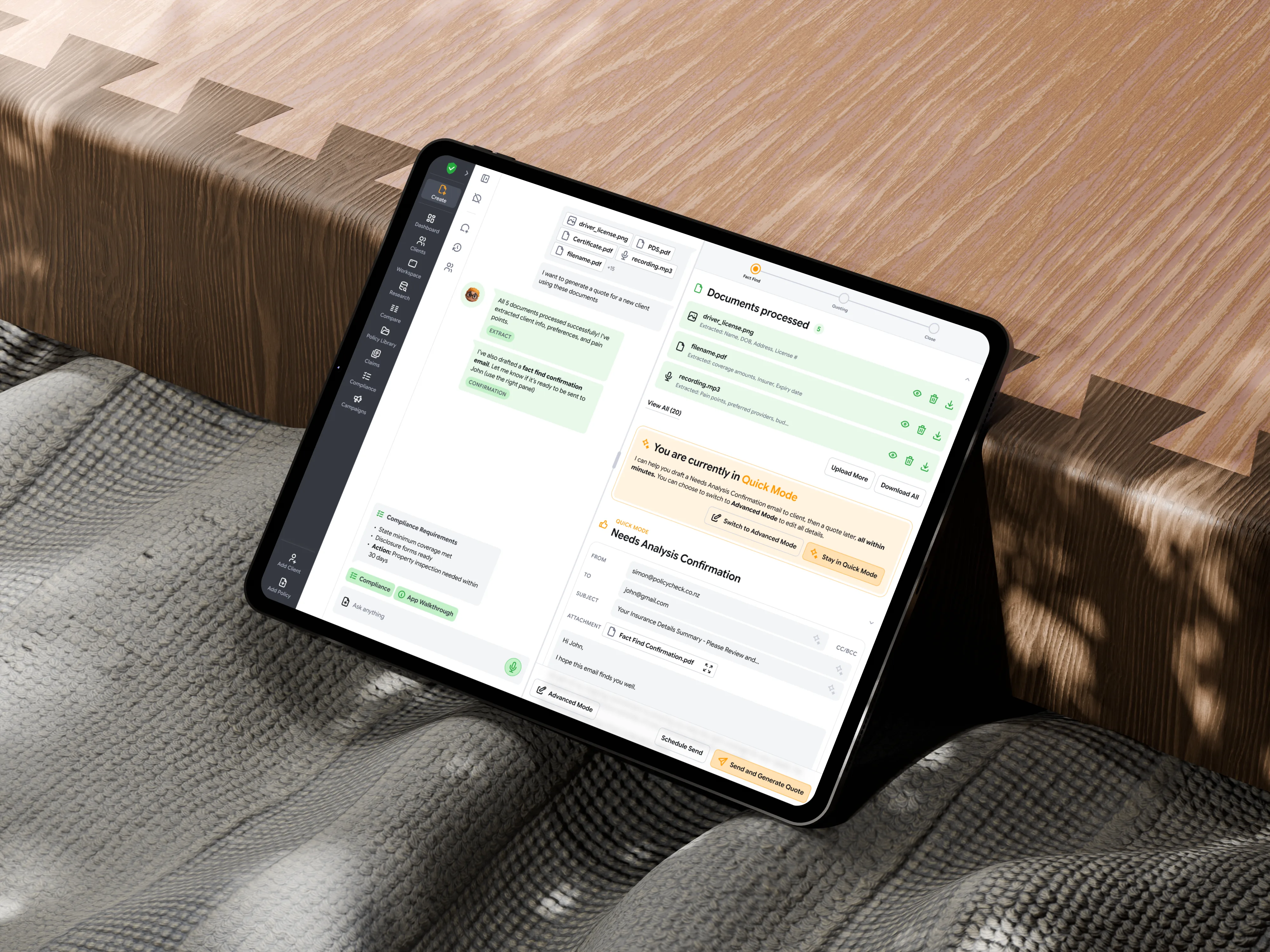
PolicyCheck is building the world’s first AI Desk for insurance: a platform where every policy stays live and accurate, every recommendation is adviser-approved, and every decision is explainable by design. Launching across Australia, New Zealand, and the UK, their mission is to rebuild trust in insurance by giving advisers the intelligence, automation, and oversight they need to bring clarity to every client. Everything they build strengthens the adviser–client relationship through speed, confidence, and transparency.
To support that mission, PolicyCheck created Create: an AI assistant built specifically for brokers and advisers. Like ChatGPT, Gemini, or Claude, it helps users work faster and with less friction, but it is grounded in real policy logic and day-to-day advisory workflows. I was brought in to revamp the end-to-end user experience, working closely with our project manager and input from consultants and investors.
2. Core theme: Designing meaningful connections
This case study explores two types of connection.
Broker ↔ Client
I focused on multi-stage empathy, understanding how brokers build trust, educate clients, and make confident recommendations while operating under heavy compliance pressure.
Designer ↔ Stakeholders
I worked closely with founders, developers, data analysts, and other designers. Clear communication and frequent feedback loops helped us move quickly through a highly complex problem space without losing alignment.
3. Solidifying input in a complex system
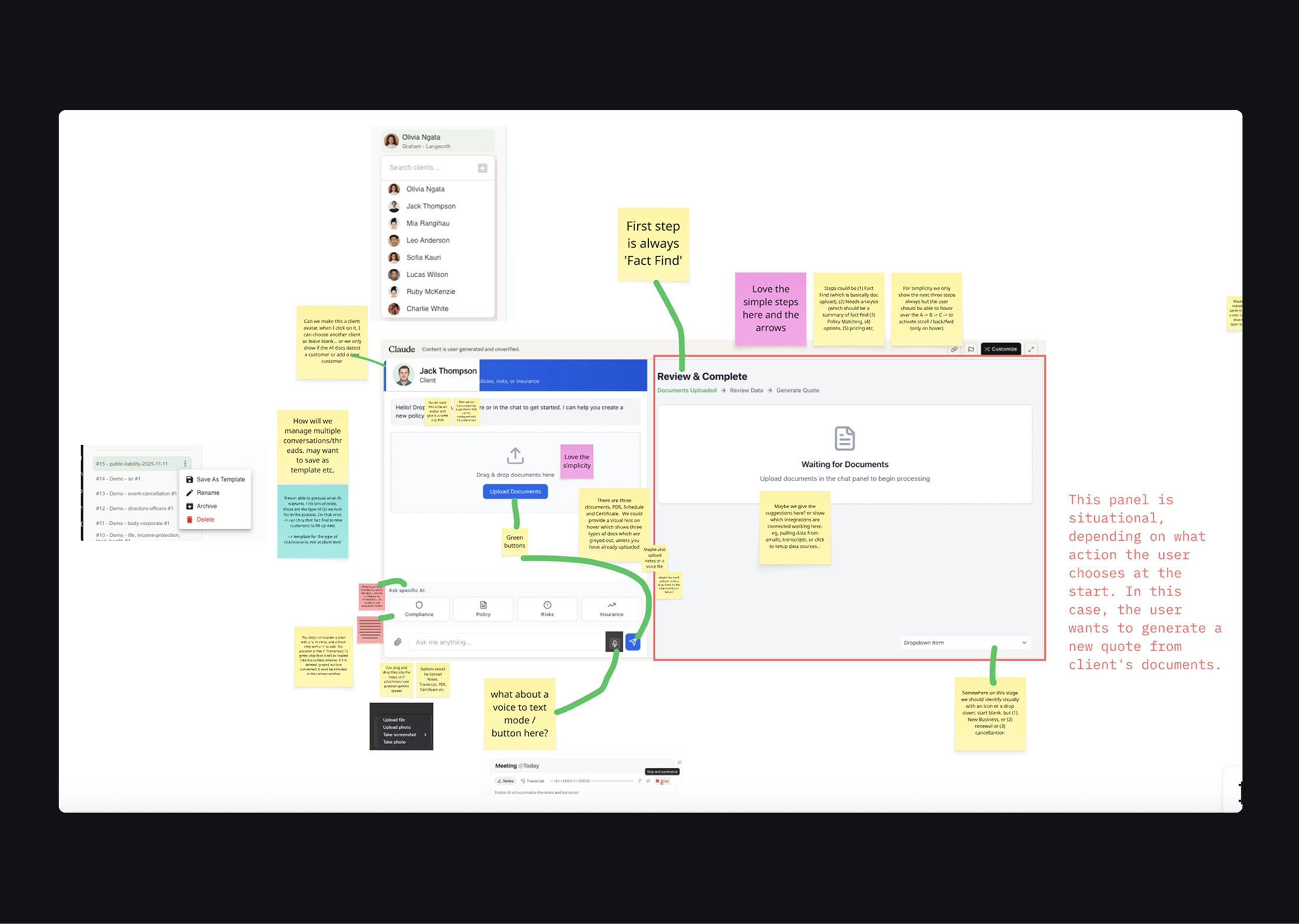
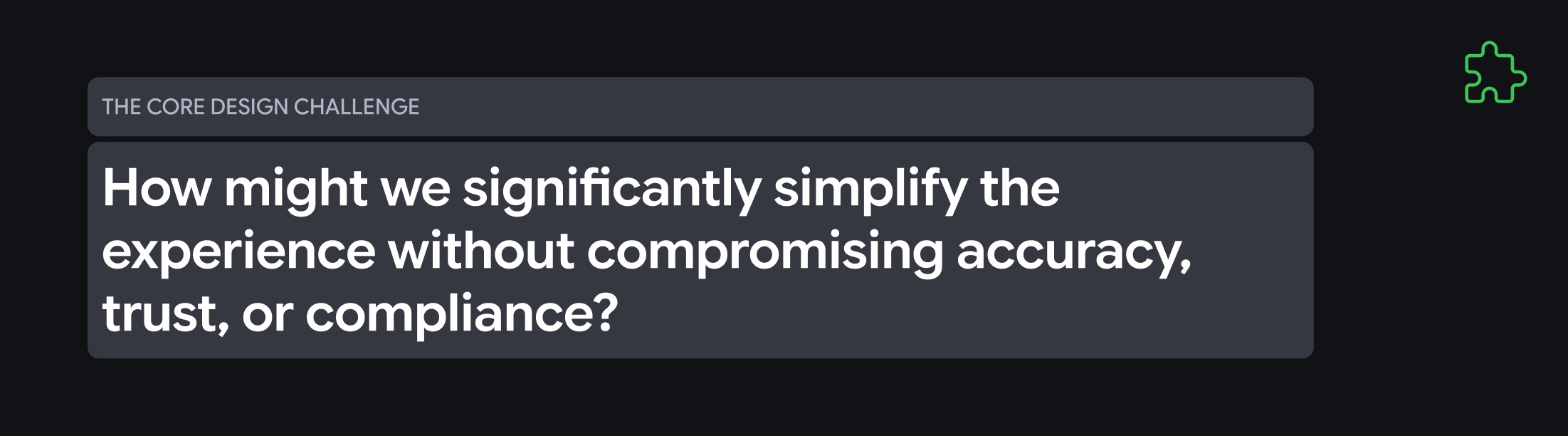
PolicyCheck is a powerful but intricate platform with a steep learning curve. Early on, the challenge was not a lack of input, but too much of it.
To manage this, I intentionally:
- Collected insights from multiple sources including brokers, founders, developers, and interns
- Ran several feedback rounds instead of relying on single sessions
- Used lightweight systems and AI tools to synthesise insights without feeling overwhelmed
This approach allowed me to move from fragmented feedback to clear, prioritised design decisions.
4. Current state of the Create feature
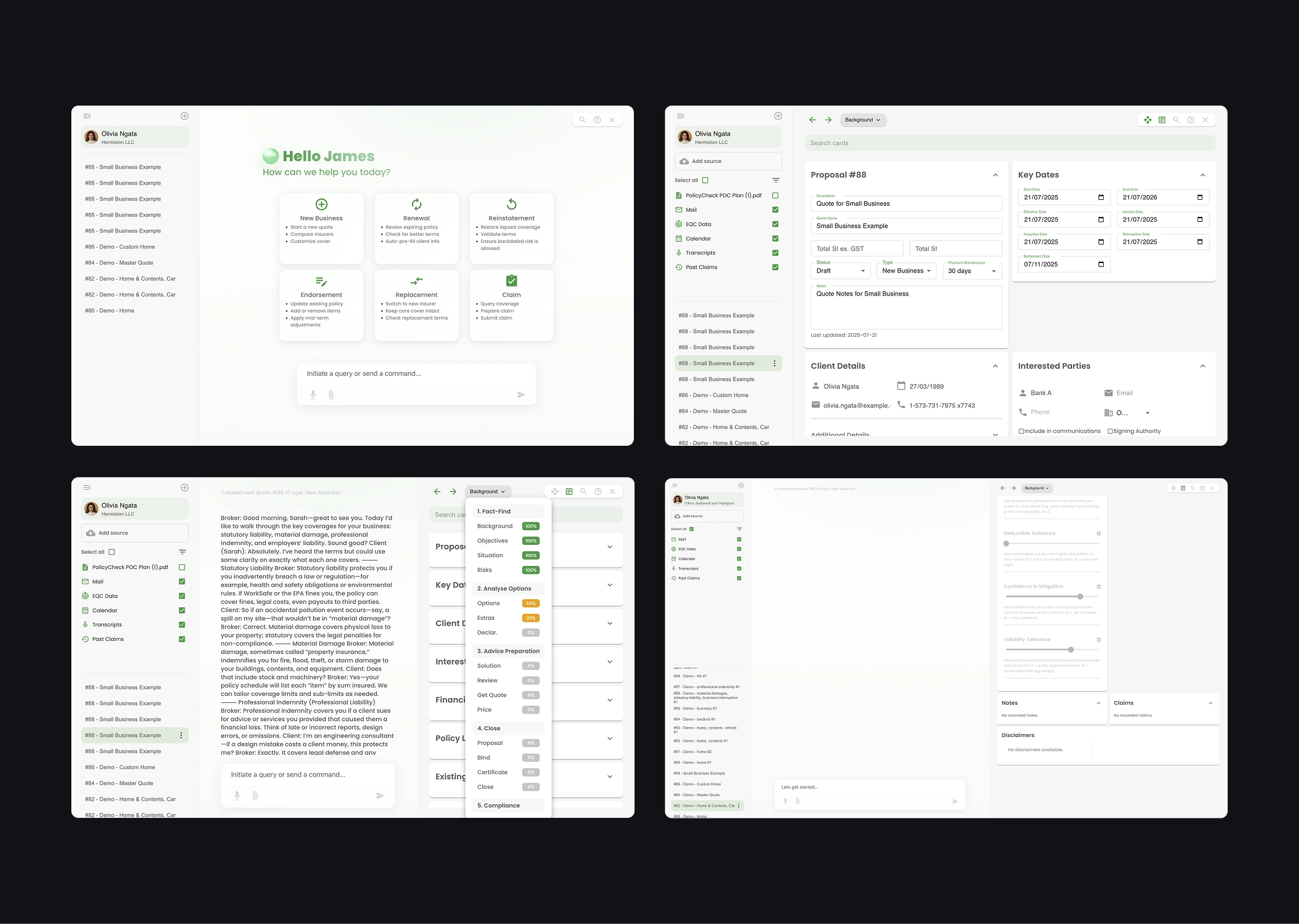
The existing Create flow presented key usability issues:
- Difficult navigation with no clear starting point
- Highly manual workflows
- Around 15 steps spread across Fact-Find, Analyse Options, Advice Preparation, Close, and Compliance
- Small sub-steps within each stage increased cognitive load
- Labels and instructions were not descriptive enough
5. Understanding the users
Through Design Thinking sessions with business leaders and designers, along with early user testing, several patterns emerged.
User types
- Older brokers with low technical confidence
- Younger, tech-savvy brokers who actively use tools to simplify their work
Behavioural insights
- Users required substantial hand-holding during demos
- Even interns needed days to become comfortable with the tool, despite training and videos
What brokers love
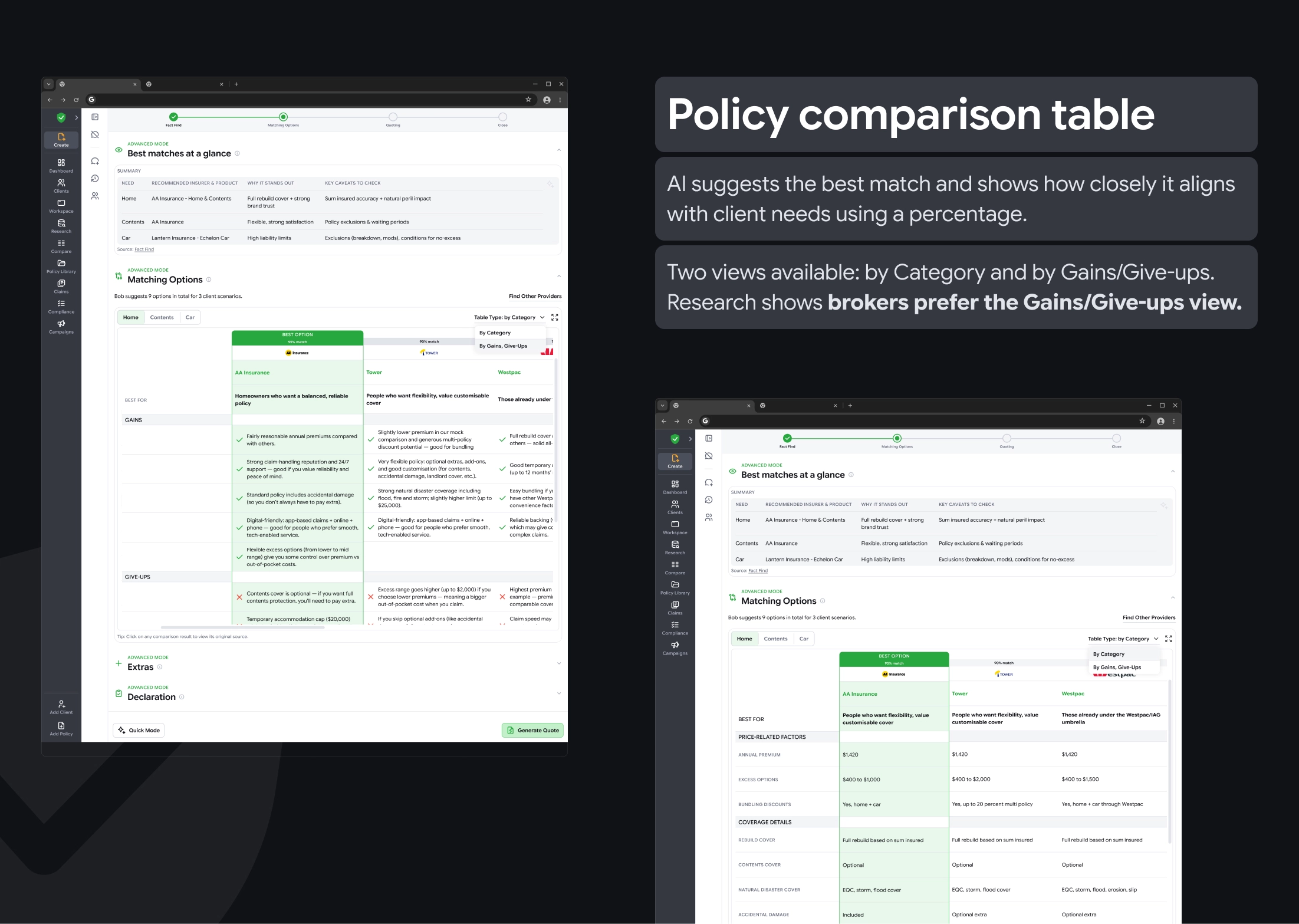
- Quoting and comparing policies
- Getting to know and coaching clients
What they dislike
- Paperwork and admin, especially tasks they feel they are bad at
This reinforced a key principle: If users hate and avoid a task, the product should do it for them.
6. Broker goals and business needs
From interviews with brokers and insurance advisers, I distilled the following goals.
- Reduce time spent on admin and compliance
- Current state: ~60% admin, 40% broking
- Desired state: 40% or less on admin, more time with clients
- Even a 10% shift towards sales would be a strong outcome
- Provide clear evidence of work completed
- Brokers want confidence and protection against errors and omissions
- Use AI to enhance, not replace, human judgement
- Automation should support trust and accuracy
- Appeal to a younger workforce
- Team average age is around 30
- Fewer clicks, modern UI, intuitive interactions
Competitive insight
I conducted research on various local and international competitors in the field: Quashed, Further AI, Quandri, Graceview, Brokernote,… Especially, at the Resonate 2025 Insurtech Conference, we reviewed a major competitor - Marloo.
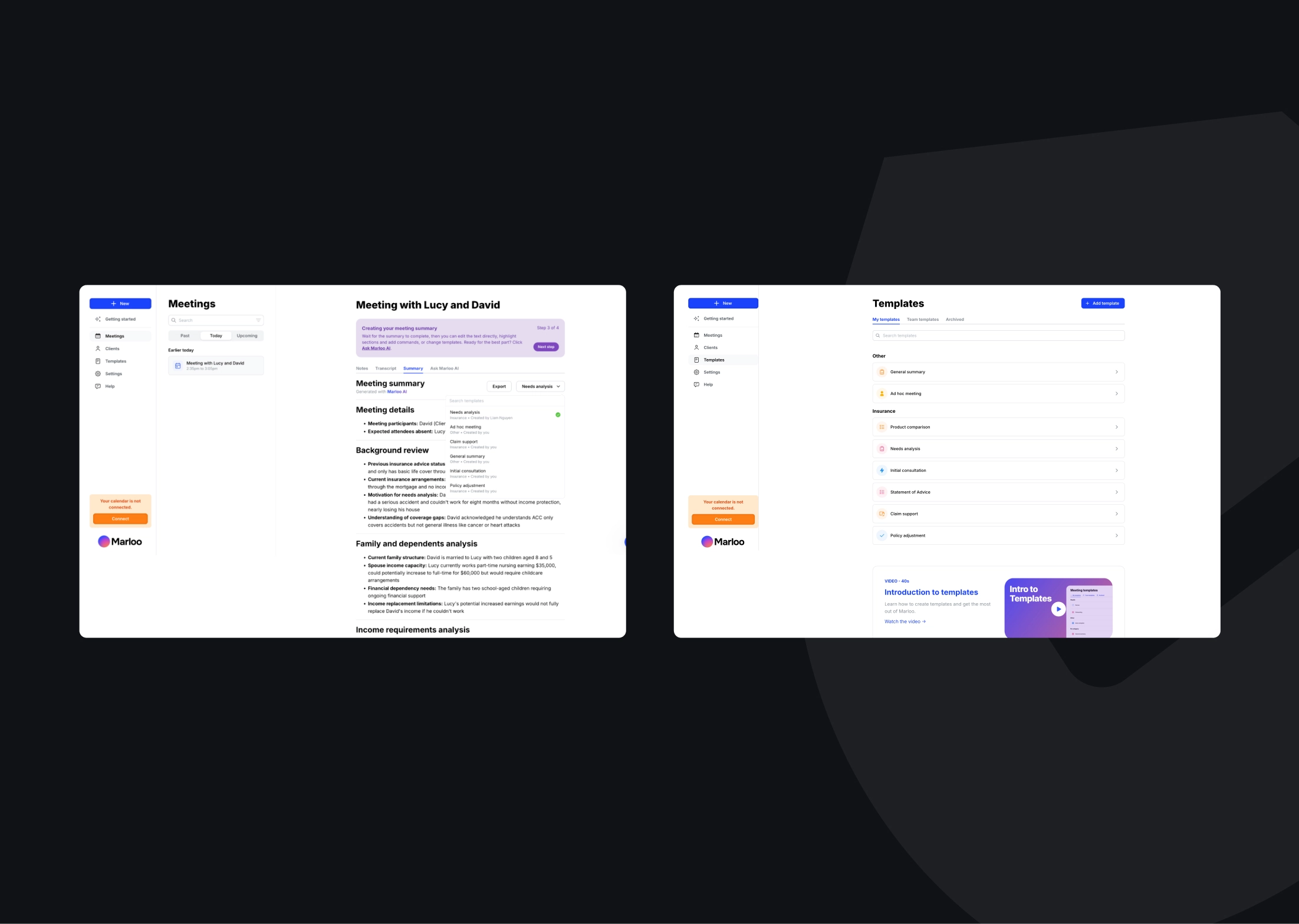
What they did well:
- Simple experience for non-technical users
- Strong visual design
Where they fell short:
- Limited functionality led to customer churn
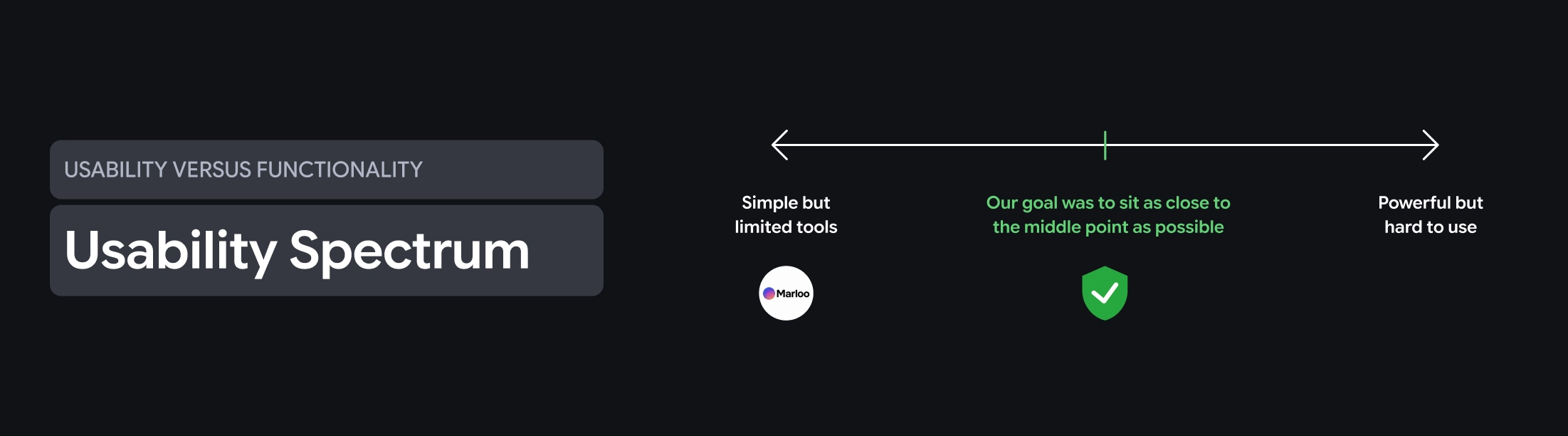
This validated our direction: simplicity alone is not enough.
Usability versus functionality
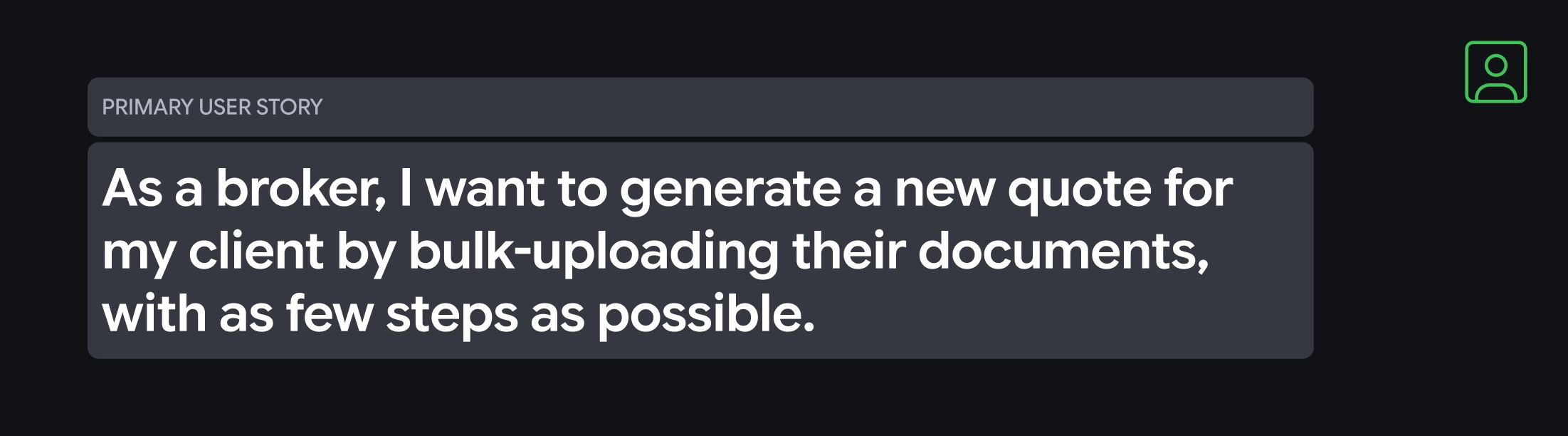
7. Focusing on one user story
Early exploration
- Rapid prototyping using AI-assisted tools that replaced parts of traditional wireframing and prototyping via Figma
- Stakeholder feedback from founders and senior team members. Their feedback helped refine both the flow and the level of automation we were comfortable introducing.
Initial wireframe
.webp)
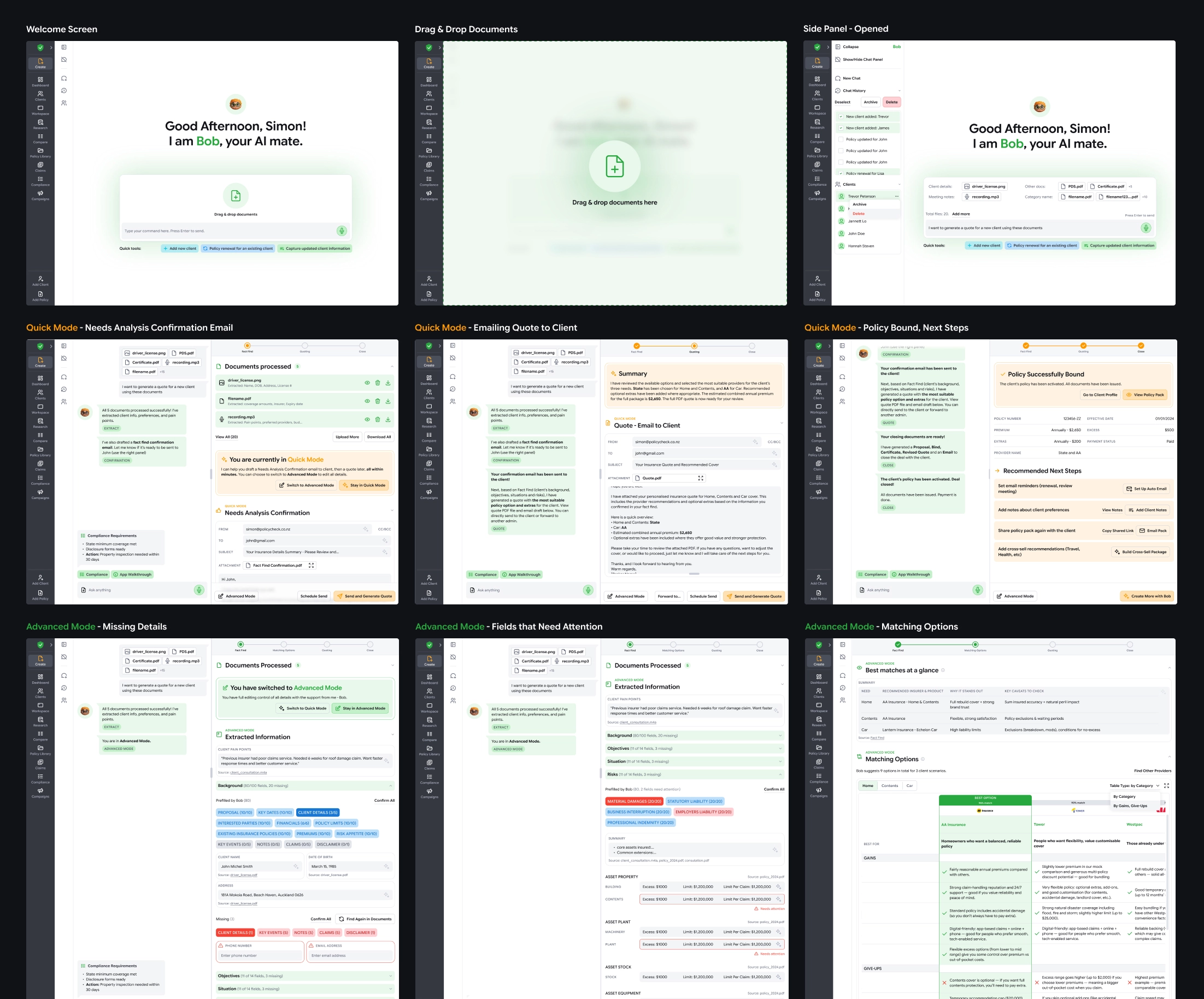
8. A strategic shift in approach
Initial direction
Given the complexity of PolicyCheck and the importance of accuracy, my first solution retained a moderate level of complexity. However, stakeholder feedback highlighted a gap. There should still be a streamlined solution specifically for time-poor, non-technical users.
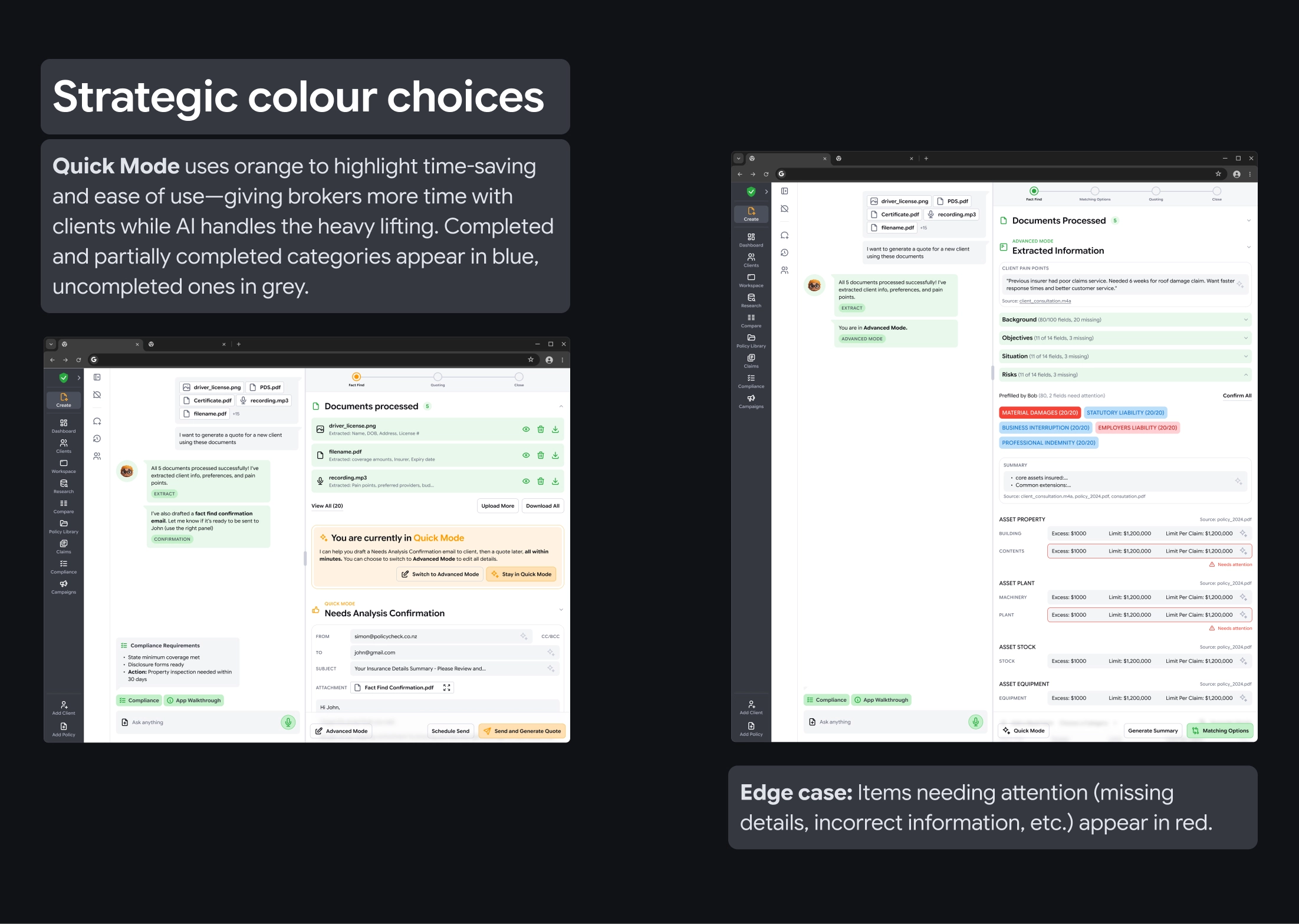
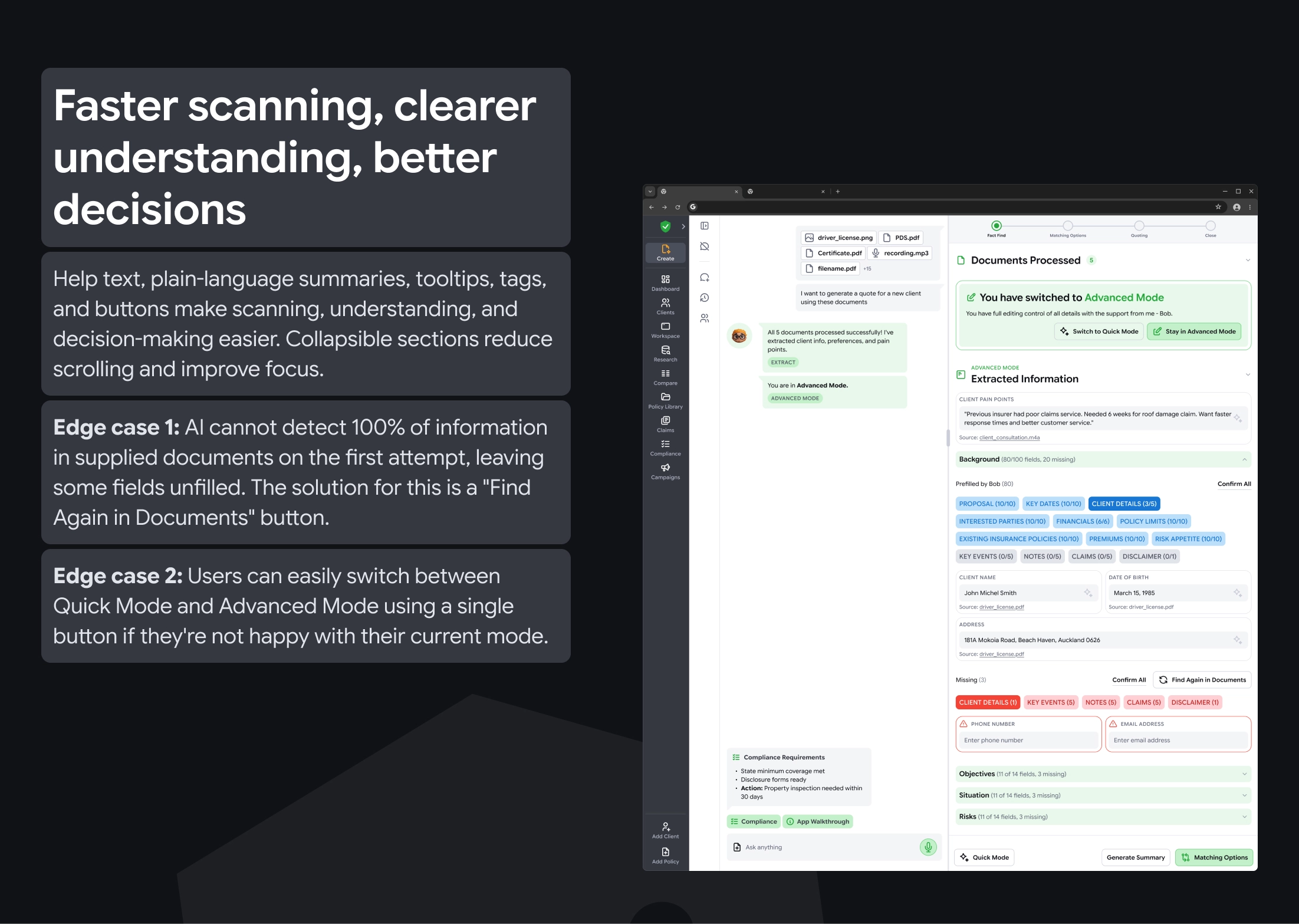
New proposal: Quick Mode and Advanced Mode
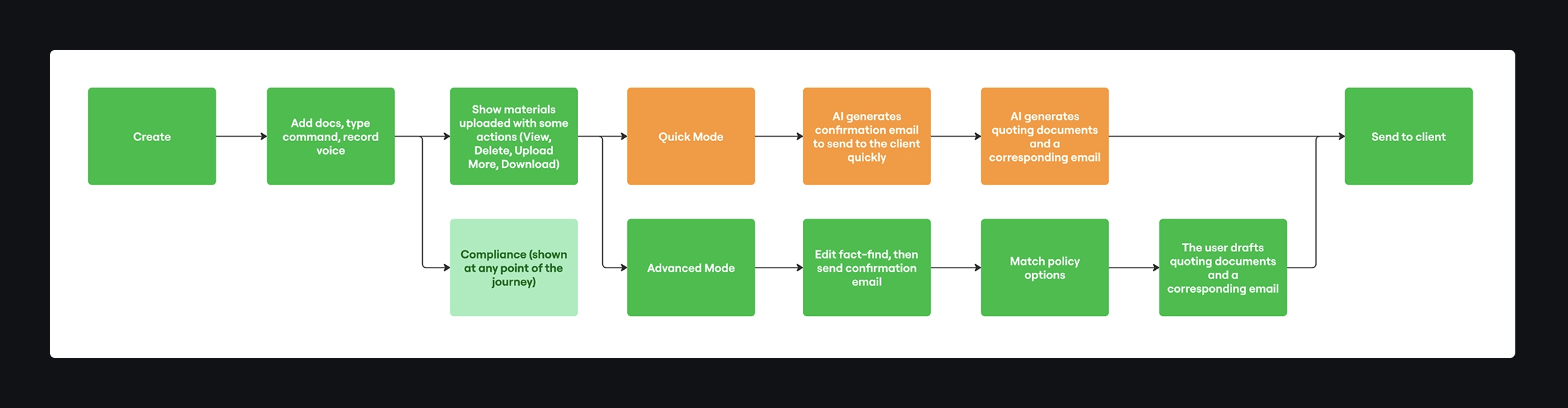
Quick Mode
- Designed for time-poor, non-technical brokers
- Heavy AI automation
- Minimal steps and decisions
- Ideal for fast quoting and early client conversations
Advanced Mode
- For brokers or team members who want deeper control
- Manual checks, document verification, and detailed comparisons
- Higher accuracy and more human judgement
9. High-fidelity solution
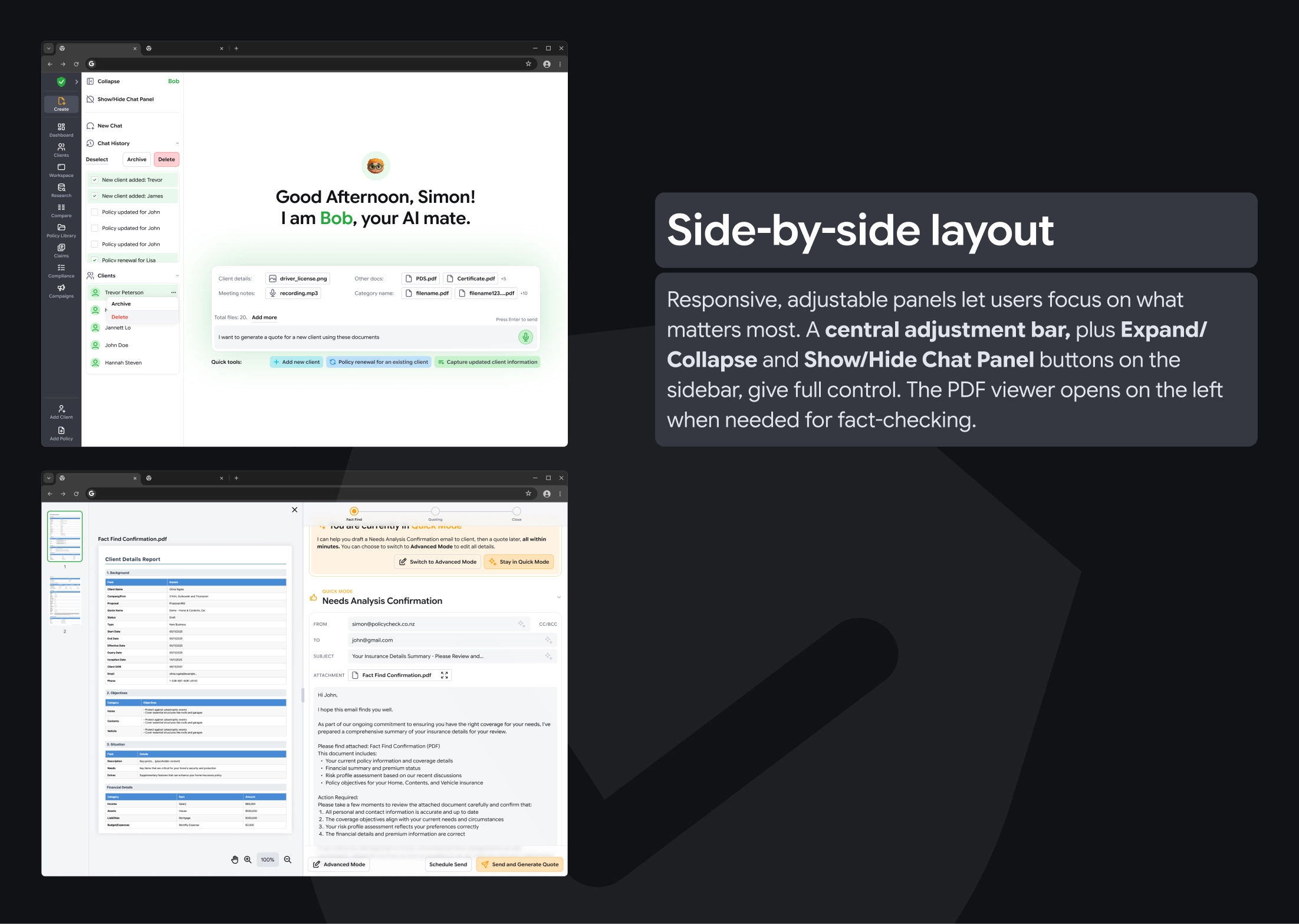
10. Team feedback
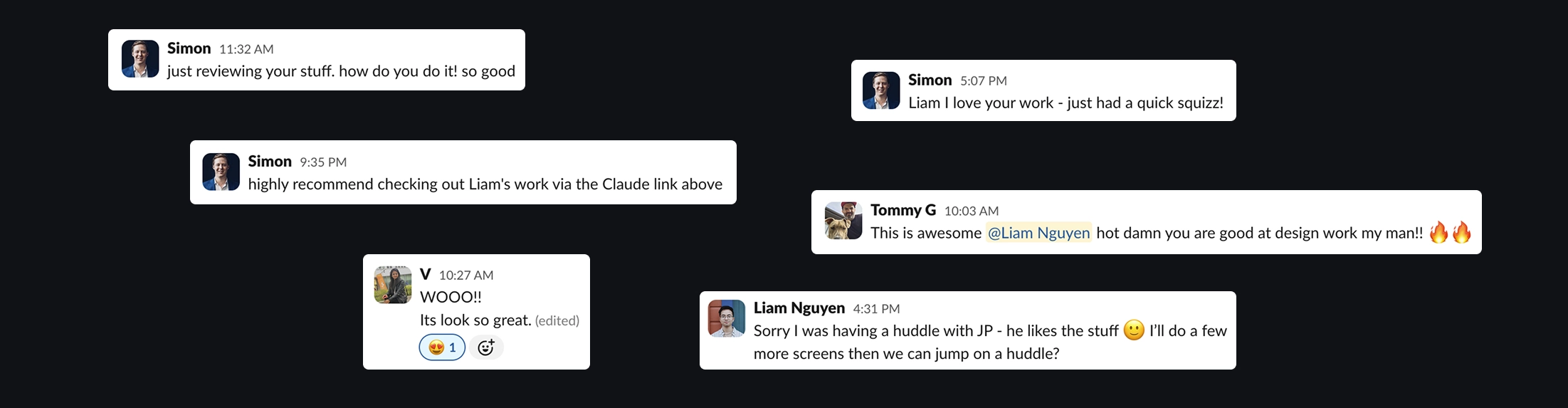
Throughout the project, I gathered informal feedback from developers and stakeholders via Slack.
11. Key learnings
- Designing for multi-stage empathy is essential in regulated industries
- Deep business understanding strengthens design decisions
- Simplicity often requires more strategy, not less functionality
- AI is most powerful when it removes friction, not control
12. What I would do next
- Conduct primary research directly with brokers
- Validate assumptions with usability testing on high-fidelity prototypes
- Track measurable outcomes using various metrics: time saved, error reduction, user satisfaction and so on
- Expand the system to support additional workflows like renewals and reusable templates
- Design a mobile version of the app for on-the-go use
Check my other projects


.webp)
Let’s connect!
I’m a UX/UI designer with 4+ years of graphic and web design experience. I enjoy analysing digital products to see what works (and what doesn’t) and aim to balance user needs with business goals while keeping experiences fun to use. I’m curious, always learning, and currently exploring AI tools and front-end coding to speed up workflows.
If you’re looking for a designer who asks smart questions to solve problems, let’s connect!


